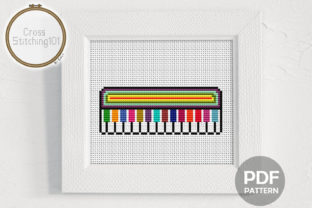
Piano Modern Cross Stitch Pattern
The Piano Modern Cross Stitch Pattern is a versatile and creative design that brings the elegance of music into the world of cross-stitch. This pattern offers a unique blend of artistic expression and technical precision, making it an appealing choice for a wide range of crafters. Whether you're a beginner or an experienced stitcher, this pattern provides a rewarding experience that can be tailored to suit your personal style and project goals.
What Is Piano Modern Cross Stitch Pattern?
The Piano Modern Cross Stitch Pattern is designed with modern aesthetics in mind, featuring a musical theme that reflects the beauty of piano keys and melodies. It comes in three versions: one with color blocks, one with color symbols, and one in black and white symbols. Each version allows for different levels of creativity and customization, giving users the flexibility to choose based on their preferences and skill level.
This pattern is ideal for those who enjoy combining art with music, offering a visually engaging way to express creativity. The dimensions are 10.73 x 4.18 cm (4.21 x 1.64 inch), making it a compact yet detailed piece that fits well on most standard embroidery canvases. The use of DMC floss in 20 colors ensures vibrant and accurate color representation, while the 14-count fabric allows for fine detailing and smooth stitching.
Why Different Audiences May Care About Piano Modern Cross Stitch Pattern
The Piano Modern Cross Stitch Pattern appeals to a variety of individuals, each with their own motivations and needs. For beginners, it serves as an excellent introduction to cross-stitching, offering a manageable complexity that builds confidence and skills. Experienced stitchers may appreciate its design intricacy and the opportunity to explore new techniques. Creators and artists might see it as a medium for personal expression, while educators could use it as a teaching tool to engage students in both art and music.
Beginners: A Gentle Introduction to Cross-Stitching
For those new to cross-stitching, the Piano Modern Cross Stitch Pattern offers a welcoming challenge. Its clear layout and manageable size make it easy to follow, helping beginners develop their stitching skills without feeling overwhelmed. The inclusion of multiple pattern formats—color blocks, color symbols, and black-and-white symbols—provides options that cater to varying learning styles and comfort levels.
Beginners may also appreciate the ease of use, as the pattern is available as an instant download PDF, eliminating the need for physical materials. This convenience makes it accessible for those who prefer digital resources or have limited space for traditional supplies.
Experienced Users: A Challenge for Skill and Creativity
For more advanced stitchers, the Piano Modern Cross Stitch Pattern presents an opportunity to refine their technique and push creative boundaries. The intricate design encourages attention to detail and offers a chance to experiment with color combinations and shading techniques. The black-and-white symbol version, in particular, allows for greater freedom in interpreting the design, making it a favorite among those who enjoy customizing their projects.
Experienced users may also value the flexibility of the pattern, which can be adapted to different fabrics and floss types. This adaptability means the design can evolve with the user's growing expertise and creative vision.
Business Owners and Educators: Tools for Teaching and Marketing
For business owners and educators, the Piano Modern Cross Stitch Pattern can serve as a valuable resource. Educators might use it in classroom settings to teach cross-stitching fundamentals, incorporating elements of music and design to make lessons more engaging. Business owners, particularly those in the craft industry, may see the pattern as a product that can be sold or used to attract customers through workshops or online courses.
The availability of three pattern formats also makes it a useful tool for creating instructional content, such as tutorials or step-by-step guides that cater to different learning preferences.
Practical Examples for Different Reader Types
Beginner: A new hobbyist might start with the color block version of the pattern, using it to practice basic stitches and color placement. This helps build foundational skills before moving on to more complex designs.
Experienced Sticher: An advanced crafter might choose the black-and-white symbol version to add their own interpretation of colors, experimenting with shading and texture to create a more dynamic final piece.
Business Owner: A small business owner could offer the Piano Modern Cross Stitch Pattern as part of a subscription service, providing regular updates and exclusive content to keep customers engaged and loyal.
Teacher: A craft instructor might use the color symbol version in a workshop, guiding students through the process of decoding the symbols and applying them to the canvas. This approach fosters collaboration and shared learning experiences.
Identifying the Right Pattern for Your Goals
Whether you're looking for a simple project to complete in a short time or a more complex design to challenge your skills, the Piano Modern Cross Stitch Pattern offers something for everyone. Consider your skill level, time availability, and creative goals when selecting the right version of the pattern for you.
If you're interested in a quick and satisfying project, the color block version is an excellent choice. If you're seeking a more personalized and creative experience, the black-and-white symbol version gives you the freedom to interpret the design in your own way. For those who want to share their work or teach others, the color symbol version provides a clear reference point that can be easily explained and followed.
Ultimately, the Piano Modern Cross Stitch Pattern is more than just a design—it's a gateway to artistic exploration, skill development, and creative fulfillment. By understanding how it can meet your specific needs, you can find the perfect match for your next cross-stitch project.