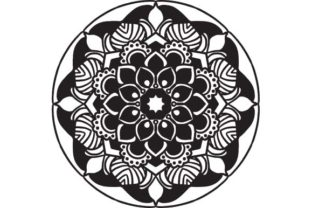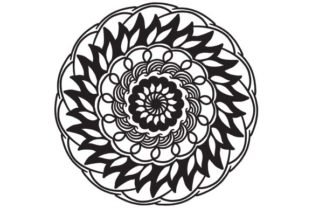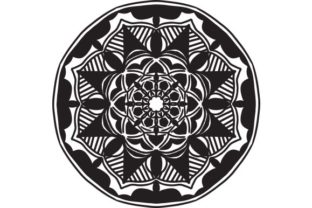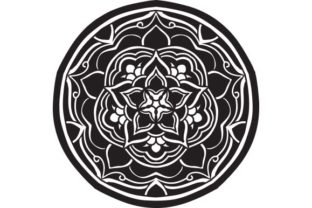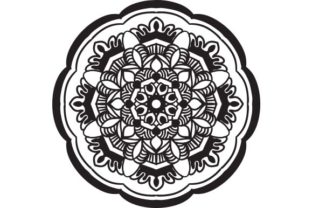
Mandala Vector Art Pattern 128: A Versatile Design for Creative and Practical Applications
Mandala Vector Art Pattern 128 is more than just a decorative design—it’s a flexible, scalable resource that can be adapted to a wide range of creative and professional needs. Whether you're an artist, designer, educator, or business owner, this pattern offers a unique blend of visual appeal and functional utility. Its intricate yet structured composition makes it ideal for both aesthetic and practical use cases.
What Makes Mandala Vector Art Pattern 128 Unique?
Mandala Vector Art Pattern 128 is crafted using vector graphics, which means it maintains its quality at any scale. This is especially valuable when working with digital media, print materials, or physical products. The pattern features a symmetrical layout with geometric shapes and repetitive motifs, giving it a timeless and meditative feel. Unlike traditional mandalas, which are often used in spiritual practices, this version is designed for broader application across industries and audiences.
The pattern comes in multiple formats—AI, EPS, and JPG—ensuring compatibility with various software and platforms. This versatility allows users to work seamlessly between vector editing tools like Adobe Illustrator and raster-based applications such as Photoshop or Canva. For designers who need high-resolution outputs, the AI and EPS files offer the best quality, while the JPG format is perfect for quick previews or web use.
Real-World Use Cases for Mandala Vector Art Pattern 128
One of the most compelling aspects of Mandala Vector Art Pattern 128 is its adaptability. Here are several scenarios where it can be applied effectively:
- Graphic Design Projects: From branding to packaging, this pattern can add a visually engaging element to logos, backgrounds, or promotional materials. Its symmetry and repetition make it ideal for creating cohesive designs that resonate with a variety of target audiences.
- Interior Design: In spaces where a calming atmosphere is desired, such as wellness centers, yoga studios, or meditation rooms, this pattern can be used as wall art, textiles, or floor coverings. It brings a sense of balance and serenity without being too overtly religious or symbolic.
- Education and Therapy: Teachers and therapists may find this pattern useful in creating visual aids or therapeutic tools. For example, it can be incorporated into mindfulness exercises, coloring activities, or even classroom decorations that encourage focus and creativity.
- Marketing and Advertising: Businesses looking to convey a message of harmony, growth, or transformation can leverage this pattern in their campaigns. It’s particularly effective in industries related to health, personal development, and lifestyle products.
- Personal Projects: Artists and hobbyists can use this pattern as a base for custom illustrations, prints, or digital art. It serves as a great starting point for those who want to explore new design techniques or experiment with color theory.
Who Benefits from Mandala Vector Art Pattern 128?
While the pattern is widely applicable, certain groups may find it particularly beneficial:
Designers: Whether you’re working on a client project or personal portfolio, this pattern provides a ready-made template that can be customized to fit your vision. It saves time and effort while maintaining a professional look.
Business Owners: If you run a wellness brand, a boutique, or a creative studio, incorporating this pattern into your branding can help create a consistent and appealing visual identity. It adds a touch of elegance and sophistication that appeals to a broad customer base.
Students and Educators: In classrooms or online learning environments, this pattern can be used to create engaging visual content. It can serve as a teaching tool for subjects like geometry, art, or psychology, helping students understand complex concepts through visual representation.
Therapists and Counselors: This pattern can be a valuable resource in therapy sessions, especially for clients interested in mindfulness or emotional well-being. It can be used as part of guided visualization exercises or as a calming background during sessions.
Key Considerations Before Using Mandala Vector Art Pattern 128
Before diving into a project, there are a few factors to keep in mind:
Intended Audience: Consider who will be interacting with the design. Some audiences may prefer a more subtle approach, while others might appreciate a bolder, more intricate version. Customizing the pattern to suit the audience ensures better engagement and relevance.
Usage Context: Where will the pattern be used? If it's for a website or social media, the JPG format is often sufficient. However, if you're creating print materials or detailed illustrations, the AI or EPS files will provide higher resolution and greater flexibility.
Brand Alignment: Ensure the pattern aligns with your brand’s values and aesthetics. While it has a universal appeal, it should complement the overall tone and message of your project rather than overshadow it.
Legal and Licensing: Always check the licensing terms associated with the pattern. Some designs may require attribution or have restrictions on commercial use. Understanding these details helps avoid potential legal issues down the line.
Strengths and Limitations of Mandala Vector Art Pattern 128
Like any design asset, Mandala Vector Art Pattern 128 has its strengths and limitations. One of its greatest advantages is its scalability and adaptability. It can be easily modified to fit different styles, sizes, and purposes. Additionally, the pattern’s geometric structure lends itself well to both minimalist and intricate designs, making it suitable for a wide range of applications.
However, it’s important to note that this pattern may not be appropriate for every context. For instance, in highly formal or corporate settings, the meditative nature of the mandala could be seen as too casual or unprofessional. Similarly, in environments where strict symbolism is required, the pattern may need to be customized or combined with other elements to meet specific expectations.
Another limitation is that the pattern is static in its original form. While it can be edited and manipulated, it requires some level of design skill to achieve the desired outcome. Beginners may need to invest time in learning basic design principles or using templates to simplify the process.
Practical Examples of Mandala Vector Art Pattern 128 in Action
Let’s look at a few real-world examples of how this pattern has been successfully applied:
- Wellness Branding: A holistic health company used the pattern as the foundation for their logo and packaging. The design conveyed a sense of balance and natural beauty, aligning perfectly with their brand values.
- Interior Design Project: An interior designer incorporated the pattern into a meditation room by printing it on fabric for curtains and cushions. The result was a serene and visually striking space that enhanced the overall ambiance.
- Online Course Materials: An educational platform used the pattern as a background for video tutorials on mindfulness and stress reduction. The visual consistency helped reinforce the course’s themes and made the content more engaging.
- Custom Art Prints: A local artist created a series of limited-edition prints based on the pattern, selling them through an online store. The combination of artistic creativity and design versatility made the product popular among both collectors and casual buyers.
These examples highlight how Mandala Vector Art Pattern 128 can be tailored to meet diverse needs while maintaining its core appeal. By understanding the strengths and limitations of the design, users can maximize its potential in their projects.