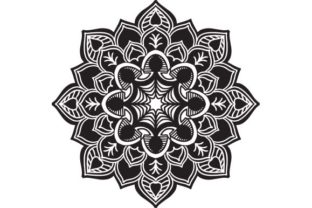
Mandala Vector Art Pattern 120: A Versatile Design Asset for Creative Professionals
Mandala Vector Art Pattern 120 is a unique and highly adaptable design resource that has gained attention among graphic designers, illustrators, and creative professionals. This pattern offers a blend of intricate detail and clean structure, making it suitable for a wide range of applications—from branding materials to digital art projects. Its availability in AI, EPS, and JPG formats ensures compatibility with various software tools and platforms, enhancing its practical value.
Understanding Mandala Vector Art Pattern 120
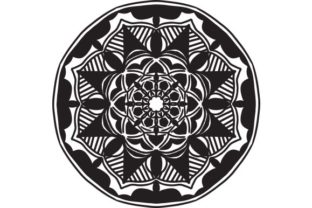
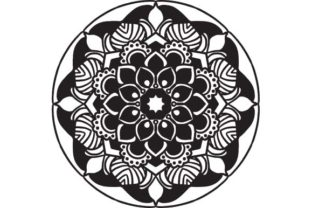
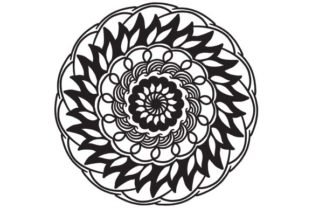
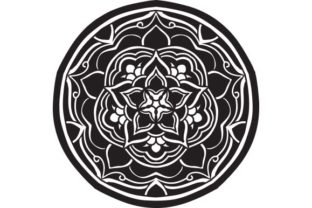
Mandala Vector Art Pattern 120 is a vector-based design composed of geometric shapes and symmetrical elements that form a complex yet balanced visual composition. Unlike simpler mandala designs, this particular version features multiple layers of interlocking patterns, offering a depth that can be both visually engaging and structurally rich. The design is meticulously crafted to maintain clarity at any scale, which is crucial for both print and digital use.
The pattern’s versatility lies in its ability to be customized and integrated into different design contexts. Whether used as a background element, a decorative motif, or a central visual component, Mandala Vector Art Pattern 120 provides a strong foundation for creative expression. Its vector format ensures scalability without loss of quality, making it an ideal choice for professionals who require precision and flexibility.
Key Characteristics and Strengths
- High Detail and Complexity: The intricate design elements allow for detailed customization, enabling users to create unique variations tailored to their specific needs.
- Scalability: As a vector file, the pattern maintains its clarity and sharpness regardless of size, ensuring consistent quality across different mediums.
- Multiple File Formats: The availability of AI, EPS, and JPG files caters to a diverse range of design workflows and software preferences.
- Adaptability: The pattern can be easily modified, layered, or combined with other design elements to suit various creative projects.
- Professional-Quality Output: The clean lines and precise geometry make it suitable for high-end design applications where visual accuracy is essential.
Practical Applications and Real-World Use
Mandala Vector Art Pattern 120 is particularly well-suited for professionals working in fields such as graphic design, branding, web development, and digital illustration. Its structured yet artistic nature makes it a valuable asset for creating logos, website backgrounds, social media graphics, and promotional materials.
In a professional setting, the pattern can be used to add a touch of sophistication and cultural symbolism to branding efforts. For example, a wellness brand might incorporate the mandala design into its logo or packaging to convey themes of balance, harmony, and mindfulness. Similarly, educators or content creators could use the pattern in presentations or educational materials to enhance visual appeal without compromising clarity.
For small business owners and freelancers, Mandala Vector Art Pattern 120 offers a cost-effective way to elevate their design output. By using the pattern as a base, they can quickly generate visually compelling assets without needing extensive design skills or time-consuming manual creation.
Quality and Usability Considerations
The quality of Mandala Vector Art Pattern 120 is one of its standout features. The vector format ensures that the design remains crisp and clear, even when scaled up for large-format printing or displayed on high-resolution screens. This reliability is especially important for professionals who rely on consistent visual outcomes in their work.
Usability is another key strength. The pattern is designed with user experience in mind, allowing for easy integration into design projects. Its modular structure means that users can extract specific elements or sections to use independently, which enhances its flexibility. Additionally, the availability of multiple file formats ensures that it can be used across a variety of platforms and tools, from Adobe Illustrator to online design editors.
However, it's worth noting that the complexity of the pattern may require some level of technical expertise to fully leverage its potential. While the design is intuitive for experienced designers, beginners may need to invest time in learning how to manipulate vector elements effectively.
Who Benefits Most from Mandala Vector Art Pattern 120?
Mandala Vector Art Pattern 120 is particularly beneficial for individuals and businesses that prioritize visual aesthetics and symbolic meaning in their design work. This includes:
- Graphic Designers: Looking for versatile, high-quality assets that can be adapted to various design projects.
- Entrepreneurs and Small Business Owners: Seeking affordable, scalable design solutions to enhance brand identity and marketing materials.
- Marketers and Content Creators: Interested in incorporating culturally resonant visuals into their campaigns and publications.
- Freelancers and Remote Workers: Needing access to reliable, high-quality design resources that can be used across multiple platforms.
- Educators and Publishers: Wanting to include visually engaging elements in teaching materials or printed publications.
The pattern is also a great fit for those working on personal projects or creative hobbies. Its intricate design offers a rewarding challenge for artists and illustrators looking to explore new techniques and styles.
Limitations and Recommendations
While Mandala Vector Art Pattern 120 is a powerful design tool, it is not without limitations. One potential drawback is its complexity, which may overwhelm less experienced users or those who prefer simpler design elements. Additionally, the pattern’s intricate nature means that it may not be suitable for all design contexts—particularly those requiring minimalistic or abstract visuals.
To maximize the benefits of this pattern, it is recommended to use it as a starting point rather than a finished product. Users should experiment with color schemes, layering techniques, and layout adjustments to tailor the design to their specific needs. It is also advisable to test the pattern in different environments to ensure it performs consistently across various platforms and devices.
For those who are unsure whether Mandala Vector Art Pattern 120 is right for them, exploring similar design assets can provide additional insights. Comparing the pattern with other mandala designs or geometric templates can help determine the best fit for individual projects and workflows.
Conclusion
Mandala Vector Art Pattern 120 is a valuable addition to the toolkit of any designer or creative professional. Its combination of intricate detail, scalability, and adaptability makes it a versatile resource for a wide range of applications. Whether used for branding, marketing, or personal projects, this pattern offers a high level of quality and usability that can significantly enhance visual design outcomes.
Ultimately, the decision to use Mandala Vector Art Pattern 120 depends on the specific needs and goals of the user. For those seeking a reliable, high-quality design asset that can be customized and adapted to various contexts, this pattern is well worth considering. With proper understanding and application, it can serve as a powerful tool for creating visually compelling and meaningful design work.