Exploring the Aesthetic and Utility of Mandala Vector Art Pattern 155
Mandala Vector Art Pattern 155 is a striking visual design that blends intricate geometry with symbolic meaning. This pattern, often used in digital art, graphic design, and branding, offers a unique combination of artistic beauty and functional versatility. Whether you're a designer looking for inspiration or a hobbyist interested in creative expression, understanding the nuances of Mandala Vector Art Pattern 155 can open up new possibilities for your projects.
The Structure and Design of Mandala Vector Art Pattern 155
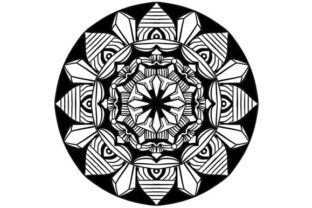
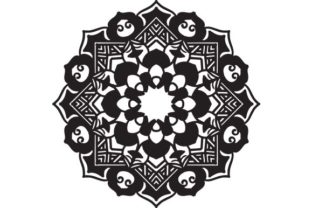
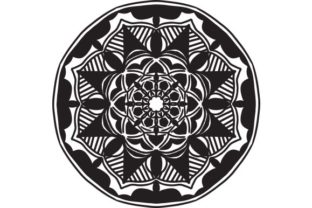
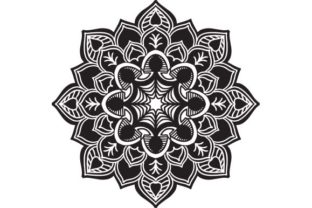
Mandala Vector Art Pattern 155 is characterized by its symmetrical composition, which typically features concentric circles, radial lines, and repeating motifs. The design is built using vector graphics, making it scalable without loss of quality. This makes it ideal for use across various media formats, including AI, EPS, and JPG files.
The pattern's layout is based on a central point from which all elements radiate outward. This central focus creates a sense of balance and harmony, which is a key feature of traditional mandalas. In Mandala Vector Art Pattern 155, this structure is enhanced with detailed geometric shapes and color gradients that add depth and visual interest.
One of the defining aspects of this pattern is its adaptability. While it maintains a consistent core design, it allows for variations in color schemes, line thickness, and motif placement. This flexibility means that designers can tailor the pattern to suit different applications, from minimalist backgrounds to vibrant, eye-catching visuals.
Key Features of Mandala Vector Art Pattern 155
- Symmetry: The pattern is designed with perfect radial symmetry, creating a visually pleasing and balanced composition.
- Scalability: As a vector format, it retains clarity at any size, making it suitable for both small icons and large banners.
- Customization: Users can modify colors, line styles, and other elements to align with specific brand identities or creative visions.
- File Compatibility: Available in AI, EPS, and JPG formats, it ensures broad accessibility for both professional and personal use.
- Cultural Significance: While modernized, the pattern draws from ancient mandala traditions, offering both aesthetic and symbolic value.
These features make Mandala Vector Art Pattern 155 a versatile tool for designers working across multiple platforms and industries. Its clean lines and structured design also lend themselves well to educational materials, where clarity and organization are essential.
Applications of Mandala Vector Art Pattern 155
The versatility of Mandala Vector Art Pattern 155 extends beyond aesthetics, finding practical applications in various fields. One of the most common uses is in graphic design, where it serves as a background element or decorative border. Its geometric nature makes it particularly effective for logos, website headers, and social media graphics.
In the realm of branding, the pattern can be adapted to reflect a company’s values. For example, a wellness brand might incorporate the pattern into their logo to evoke feelings of peace and balance. Similarly, an educational institution could use the pattern in promotional materials to symbolize knowledge and order.
For web development, the vector format ensures optimal performance. Developers can integrate the pattern into websites using CSS or SVG, allowing for interactive and responsive designs. This makes it an excellent choice for creating visually engaging user interfaces and animations.
Additionally, Mandala Vector Art Pattern 155 has found a place in artistic and creative projects. Artists and illustrators use it as a base for more complex compositions, layering additional elements to create unique visual narratives. It is also popular among hobbyists who enjoy experimenting with digital art tools and techniques.
Technical Considerations for Using Mandala Vector Art Pattern 155
When working with Mandala Vector Art Pattern 155, there are several technical considerations to keep in mind. First, the file formats—AI, EPS, and JPG—each have their own strengths and limitations. AI (Adobe Illustrator) files are ideal for editing and customization, while EPS files are commonly used for print production due to their high-quality vector output. JPG files, although less editable, are convenient for web use and sharing.
Designers should also pay attention to the resolution and dimensions of the pattern when preparing it for different uses. High-resolution versions are necessary for print, while lower resolutions may suffice for online platforms. Additionally, ensuring that the pattern is properly scaled and aligned is crucial for maintaining its visual integrity across various applications.
Another important consideration is the compatibility of the pattern with different software programs. While Adobe Illustrator is the primary tool for editing vector graphics, many design software options support AI and EPS files. For those working with web-based tools, converting the pattern to SVG or PNG may be necessary to ensure seamless integration.
Comparisons with Other Mandala Patterns
While Mandala Vector Art Pattern 155 shares similarities with other mandala patterns, it stands out due to its unique structural composition and design flexibility. Unlike some more abstract or organic mandala designs, this pattern emphasizes geometric precision and symmetry, making it particularly well-suited for professional and commercial use.
Compared to simpler mandala templates, Mandala Vector Art Pattern 155 offers greater customization options. This allows users to create highly personalized designs without sacrificing the fundamental principles of balance and harmony. It also provides more opportunities for creative experimentation, whether in digital art, branding, or educational content.
From a technical standpoint, Mandala Vector Art Pattern 155 is often preferred over raster-based mandala images because of its scalability and editability. Raster images, such as PNGs or JPEGs, can lose quality when resized, whereas vector graphics maintain their clarity regardless of scale. This makes Mandala Vector Art Pattern 155 an excellent choice for long-term use in branding and design projects.
Real-World Examples of Mandala Vector Art Pattern 155 in Action
To better understand the practical applications of Mandala Vector Art Pattern 155, let's explore a few real-world examples. One notable use case is in the health and wellness industry, where the pattern is frequently incorporated into meditation apps and mindfulness resources. Its calming and structured design helps promote a sense of tranquility, aligning perfectly with the goals of these platforms.
In the education sector, Mandala Vector Art Pattern 155 is used in teaching materials to illustrate complex concepts through visual representation. For instance, science educators might use the pattern to create diagrams that explain mathematical or scientific principles in an engaging and accessible way.
For businesses and entrepreneurs, the pattern is a valuable asset in creating visually appealing marketing materials. From packaging designs to social media posts, incorporating Mandala Vector Art Pattern 155 can help establish a cohesive brand identity that resonates with target audiences.
Finally, in the creative arts community, the pattern is a favorite among digital artists and illustrators. Its clean lines and structured design provide a solid foundation for more elaborate compositions, allowing creators to push the boundaries of their artistic expression.
Conclusion
Mandala Vector Art Pattern 155 is more than just a decorative element—it is a powerful design tool with wide-ranging applications. Its combination of geometric precision, cultural significance, and technical versatility makes it an invaluable resource for designers, educators, and creators alike. Whether you're looking to enhance your brand, create engaging content, or explore new artistic possibilities, this pattern offers a unique blend of form and function that is both timeless and contemporary.